

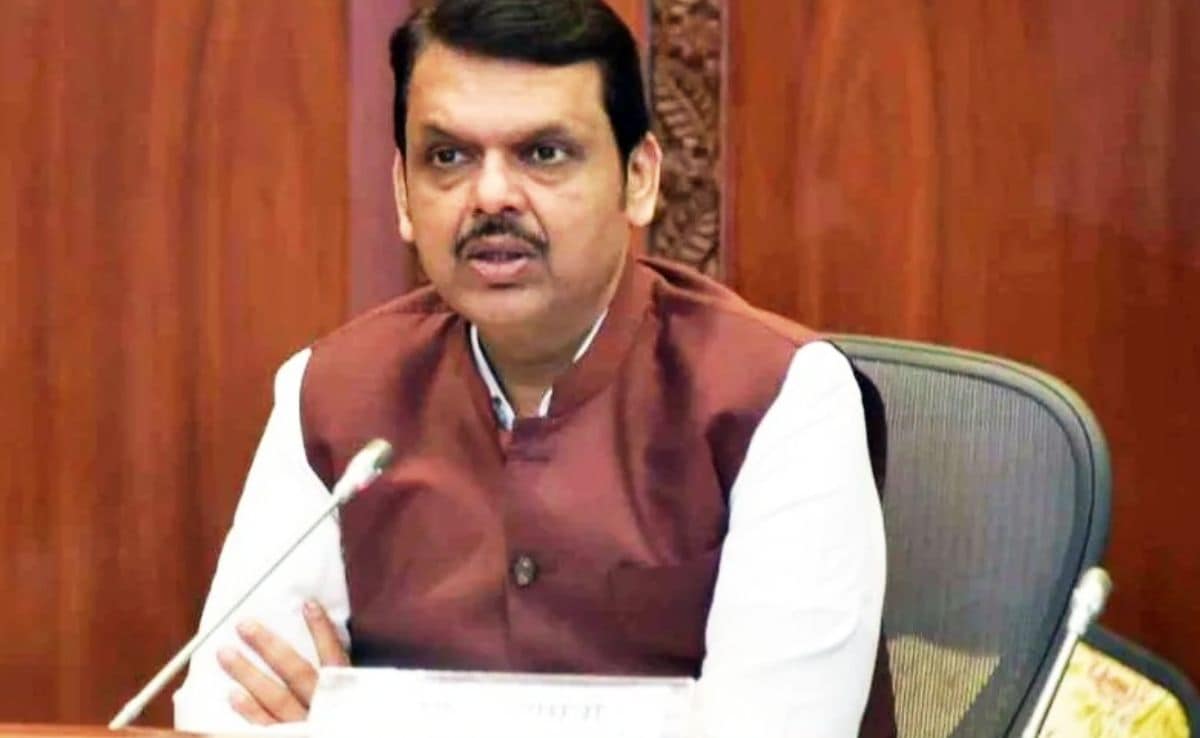
The Maharashtra Cabinet has approved mandatory FASTag-based toll collection across all toll plazas in the state from April 1. The decision was taken at a Cabinet meeting chaired by Chief Minister Devendra Fadnavis, following a proposal from the Public Works Department. The government has also approved amendments to the Public-Private Partnership Policy, 2014, to facilitate the implementation.
The move aims to improve toll collection efficiency, enhance transparency and reduce congestion at toll plazas. According to a government statement, the system is expected to save commuters time and fuel by streamlining vehicle movement. FASTag is an electronic toll collection system used on India’s national highways.
Vehicles without a valid FASTag, as well as those entering dedicated FASTag lanes without a proper tag, will be required to pay double the applicable toll fee. The measure will cover all existing and future toll projects across Maharashtra.
Currently, toll collection is carried out across 13 road projects managed by the Public Works Department and nine projects operated by the Maharashtra State Road Development Corporation (MSRDC). The new mandate will apply to these projects as well as upcoming toll infrastructure developments in the state.
In a separate decision, the Cabinet approved revisions to the Maharashtra Government Rules of Business to streamline administrative functioning and improve decision-making. The amendments cover matters to be placed before the Cabinet, cases requiring the approval of the Chief Minister or Governor, and procedures governing Cabinet and Council of Ministers meetings. First framed in 1975, the rules are undergoing their third major revision.
The revised framework comprises 48 regulations, four schedules and one annexure, divided into nine sections. It includes provisions to simplify legislative procedures, clarify administrative responsibilities and ensure orders are issued at a minimum of Under Secretary level. The changes, recommended by a study group of departmental secretaries following comparisons with the rules of the Central Government and other states, will be published in the official gazette after the Governor’s approval.