

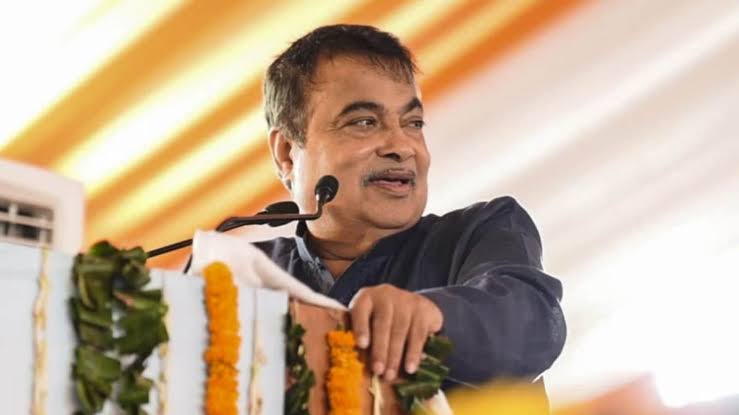
Union Minister Nitin Gadkari has laid out an ambitious, future-focused roadmap for India’s mass mobility and road infrastructure. With a strong push toward electric mass rapid transit, hyperloop corridors, and cable-based systems such as ropeways and funicular railways, the government aims to transform both urban commuting and rural accessibility. The plan includes building 360 ropeway-linked projects in remote areas like Kedarnath, with 60 already under construction.
A major component of the strategy is upgrading 25,000 km of two-lane highways into four-lane corridors and scaling up road construction to 100 km per day. Additionally, pilot projects such as Metrino pod taxis, hyperloop systems, and pillar-based electric transport are being planned for cities like Delhi and Bengaluru. An electric luxury bus pilot with airline-style amenities is already underway in Nagpur, and if successful, it could be expanded to key intercity routes across India.
India’s transport sector is also aligning with green goals. Gadkari announced that 11 major automakers—including Tata, Toyota, and Mahindra—will manufacture flex-fuel vehicles that run on ethanol, methanol, or blended biofuels. Along highways, the government plans to plant 20–25 crore trees and set up a “tree bank,” while also deploying AI-based road safety tools like drones and cameras.
These innovations are not only environmentally forward but also economically strategic. With logistics costs currently at 14% of GDP, the government aims to reduce this to 9%, easing pressure on businesses and consumers alike. By combining cutting-edge technology with sustainability, India is steering toward a mobility revolution poised to change how the nation moves and grows.