

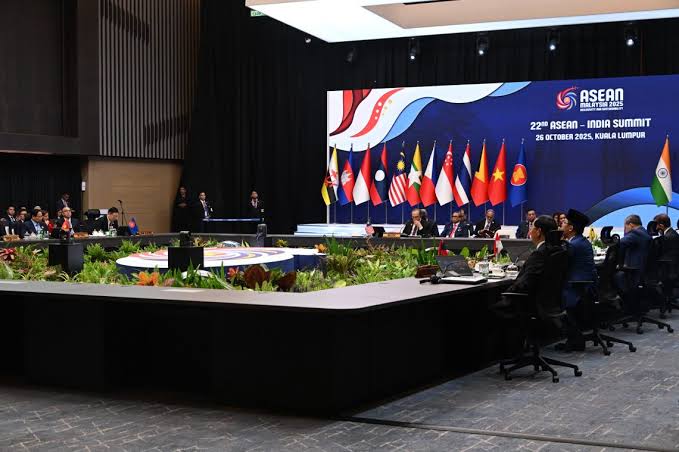
India and ASEAN have jointly recognised tourism as a key instrument to enhance people-to-people connections and cultural understanding between their regions. Both sides, in a recent joint statement, reaffirmed their shared commitment to promoting sustainable tourism that aligns with the principles of the green, blue, and circular economies. These models encourage eco-friendly practices, resource efficiency, and nature-positive development, ensuring that tourism benefits local communities while protecting the environment. The statement reflects a strong intention to balance economic growth with environmental responsibility, making tourism both a driver of progress and a guardian of natural heritage.
The joint initiative highlights the growing significance of tourism in boosting the economies of both India and ASEAN member countries. Tourism has become one of the most powerful tools for fostering mutual growth, investment, and employment opportunities. It not only supports industries such as hospitality and transport but also encourages cultural exchange and mutual respect. With millions of tourists traveling between these regions every year, the sector plays an increasingly vital role in strengthening diplomatic and cultural ties.
Through this collaboration, India and ASEAN aim to promote responsible tourism practices that contribute to sustainable livelihoods. Their approach includes adopting eco-conscious strategies, supporting local tourism operators, and promoting destinations that highlight heritage, wellness, and nature. The focus on a green and circular economy model ensures that growth in tourism does not come at the expense of natural or cultural resources. This shared vision reflects a long-term commitment to building an environmentally balanced and economically resilient tourism ecosystem.
Moreover, the initiative encourages innovation and digital transformation in the tourism sector. Both India and ASEAN recognise the importance of technology in improving the visitor experience, from digital payments to online travel platforms. Efforts will also be made to enhance air connectivity, simplify visa procedures, and increase awareness of sustainable travel options. These measures are designed to make travel between the regions easier, more affordable, and environmentally conscious.
Tourism has also been identified as a bridge for strengthening youth engagement, educational exchanges, and cultural collaboration. Events, festivals, and tourism fairs will play an essential role in showcasing shared traditions, art, and cuisine. Such efforts deepen the emotional and cultural bonds between India and ASEAN citizens, creating a foundation for long-term regional unity. Through this people-centric approach, tourism becomes more than an industry—it becomes a channel for friendship and understanding.
In essence, the joint commitment between India and ASEAN sets a new standard for cooperative tourism development in Asia. By focusing on sustainability, inclusivity, and innovation, both regions aim to transform tourism into a model of environmental and social harmony. This partnership not only strengthens economic cooperation but also contributes to global efforts toward a more sustainable and responsible travel future.