

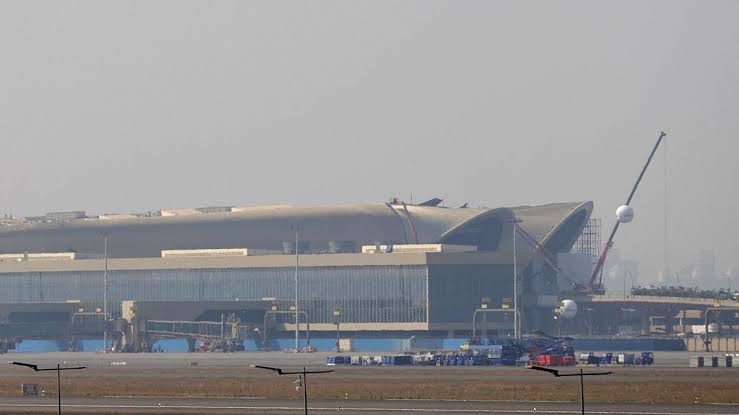
A clear divide has emerged among aviation stakeholders in the Mumbai Metropolitan Region following a consultation paper by the Airports Economic Regulatory Authority on the upcoming Navi Mumbai International Airport (NMIA). Airlines are weighing the financial and operational implications of shifting part of their operations to the new airport.
IndiGo has strongly supported the development, viewing NMIA as a major opportunity to expand capacity and improve connectivity. The airline believes the new airport can ease congestion at existing infrastructure and support long-term growth in passenger traffic.
On the other hand, Air India has raised concerns about the potential burden of splitting operations between two airports. The airline has highlighted higher operational costs, logistical complexities, and challenges in maintaining seamless connectivity for passengers.
International aviation bodies have echoed similar concerns, pointing to increased costs due to dual-airport operations and possible inefficiencies in scheduling and passenger transfers. These factors could affect both airlines and travellers, especially during the transition phase.
The debate comes at a time when authorities are trying to position Mumbai as a dual-airport system, similar to global aviation hubs. The goal is to improve capacity and handle rising demand, but execution remains a key challenge.
Ultimately, the success of NMIA will depend on how well stakeholders align on pricing, infrastructure readiness, and passenger convenience. While the long-term vision is strong, the immediate transition phase is likely to test the balance between growth ambitions and operational practicality.