

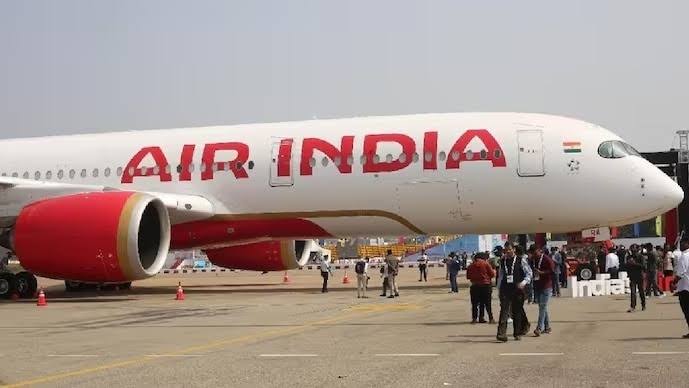
Air India has announced a phased fuel surcharge on both domestic and international flights following a sharp rise in aviation turbine fuel (ATF) prices triggered by supply disruptions in the Gulf region linked to the ongoing Iran conflict.
The surcharge will also apply to services operated by Air India Express, the airline’s low-cost subsidiary.
According to Air India, aviation turbine fuel accounts for nearly 40 per cent of an airline’s operating costs, making carriers highly vulnerable to fluctuations in global fuel prices. Since early March 2026, ATF prices have risen sharply due to geopolitical tensions impacting supply from the Gulf region, significantly increasing operating expenses for airlines.
Phased Fuel Surcharge Rollout
Air India said the fuel surcharge will be implemented in multiple phases across its network.
In Phase 1, domestic flights and routes within the South Asian Association for Regional Cooperation region—including Afghanistan, Bangladesh, Bhutan, India, Maldives, Nepal, Pakistan and Sri Lanka—will see fares increase by INR 399 per ticket.
Under Phase 2, the surcharge will extend to several international routes, with an additional USD 10 for West Asia, USD 20 for Southeast Asia, and USD 30 for Africa.
Phase 3 will cover Far East destinations such as Hong Kong, Japan and South Korea, although details of the surcharge for these routes are expected to be announced later.
The airline confirmed that Phase 1 and Phase 2 are currently being rolled out, while Phase 3 will follow at a later stage.
Fuel Cost Pressures on Indian Airlines
The impact of rising fuel prices is particularly significant for airlines operating in India. ATF is subject to high excise duty and state-level value-added tax (VAT), especially in major metro hubs such as Delhi and Mumbai, further increasing the cost burden for carriers.
Air India noted that without introducing fuel surcharges, maintaining certain routes could become financially un