

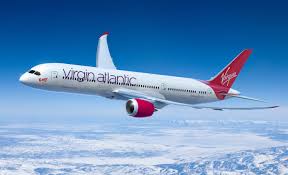
Seven-year tech pact to power hyper-personalised travel, improve efficiency & drive sustainable operations
British airliner, Virgin Atlantic is making a significant investment in artificial intelligence to transform the future of premium air travel. The company has entered a seven-year technology partnership with Tata Consultancy Services (TCS) to revamp its core digital infrastructure, betting that AI and cloud-based systems can drive hyper-personalised passenger experiences while enhancing operational efficiency.
“AI is not about replacing people—it’s about augmenting the travel experience and enhancing what already makes us special,” Virgin Atlantic CEO Shai Weiss said in an interview with Indian newswire service PTI. “The bar is very high. We want to be the most loved travel company, and we want to be sustainably profitable.”
At the heart of the partnership is a plan to modernise Virgin Atlantic’s digital core using AI-powered, cloud-first solutions. TCS will implement systems designed to boost business agility, improve system resilience, and allow for greater scale across the airline’s global operations. A new Technology Command Centre, co-developed by TCS and Virgin Atlantic, will provide real-time operational visibility and enable faster, data-driven decision-making across flight and customer service functions.
The tie-up comes as airlines worldwide face rising cost pressures and increasingly demanding customer expectations. Virgin Atlantic is betting that deep personalisation—powered by AI and big data—can offer a competitive edge in an industry still recovering from pandemic disruptions.
“We have tons of customer data,” Weiss said. “TCS is helping us unlock that value—not just to remember what someone wants to eat or drink, but to ensure planes fly on time, save fuel, and resolve issues proactively.”
The AI-led system will analyse patterns across millions of customer interactions, allowing the airline to anticipate preferences, optimise flight schedules, and deliver tailored experiences. Virgin Atlantic expects this will extend from digital booking to inflight services and post-travel engagement.
For example, if a passenger routinely orders a specific beverage or prefers a certain seat, the system will remember and suggest it before the traveler even asks. In parallel, backend systems will predict and flag potential operational issues mid-flight or during turnaround, allowing crews and ground teams to intervene early.
The company believes this will reduce delays, improve fuel efficiency, and lead to smoother journeys—all while enhancing the brand’s emotional connect with customers.
If we can consistently deliver those frictionless, personal moments, we can deepen brand loyalty in a way that’s hard to replicate,” Weiss said.
The deal also represents a strategic win for TCS as Indian IT firms look to scale their AI and digital transformation capabilities across global aviation. TCS will lead end-to-end digital modernization for Virgin Atlantic, a key client in its growing travel and transportation portfolio.
As competition intensifies across premium carriers, Virgin Atlantic’s move positions it as a tech-forward player willing to innovate on service as much as operations. It’s a calculated bet on both emotion and engineering.
“The measure of success is simple,” Weiss said. “Can we become the most loved travel company in the world? I believe we can.”