

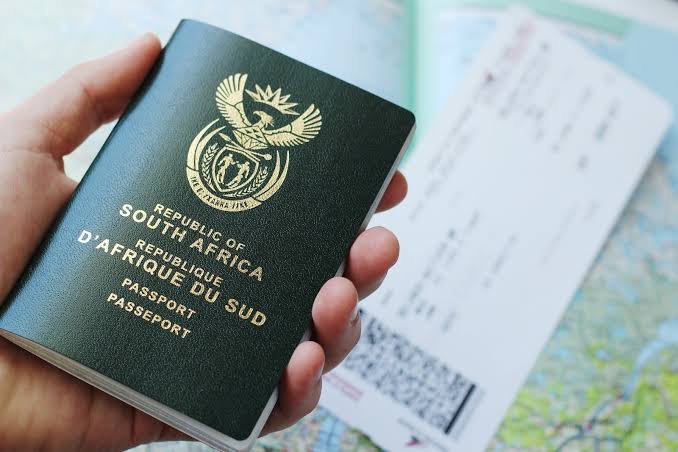
South Africa is set to launch its Electronic Travel Authorisation (ETA) system by September this year, marking a major leap forward in modernising the country’s visa processing. Initially applicable for short-term visits of up to 90 days, the ETA system is part of a broader push to digitise South Africa’s immigration framework. Managed by the Border Management Authority, it will first be implemented at major international airports before being extended to other visa categories.
The new ETA platform is powered by artificial intelligence, which promises to deliver faster visa decisions and improved border security. According to Home Affairs Minister Aaron Motsoaledi, the system incorporates world-class cybersecurity measures and uses real-time AI risk assessment engines to monitor entries. A successful live demo for President Cyril Ramaphosa further affirmed the system’s readiness for public rollout.
While excitement builds around the ETA, the list of eligible nationalities is yet to be disclosed. Minister Schreiber has confirmed that these crucial details—including the application process, countries supported, and timelines—will only be revealed at the official go-live event. The intention, he said, is to ensure a fully coordinated and clear communication strategy when the system is launched.
The ETA is expected to provide a seamless and secure travel experience for international visitors. It also aligns South Africa with global digitisation trends in travel, where speed, convenience, and safety are key expectations. Industry leaders anticipate that the ETA could help revive inbound tourism, especially after years of pandemic-related disruptions and travel hesitancy.
As final testing wraps up, industry stakeholders, airlines, and travellers await the rollout with optimism. The government believes the ETA will help position South Africa as a more accessible and tech-forward destination, attracting business travellers and tourists alike, and reinforcing the country’s commitment to secure, smart travel solutions.
South Africa is set to launch its Electronic Travel Authorisation (ETA) system by September this year, marking a major leap forward in modernising the country’s visa processing. Initially applicable for short-term visits of up to 90 days, the ETA system is part of a broader push to digitise South Africa’s immigration framework. Managed by the Border Management Authority, it will first be implemented at major international airports before being extended to other visa categories.
The new ETA platform is powered by artificial intelligence, which promises to deliver faster visa decisions and improved border security. According to Home Affairs Minister Aaron Motsoaledi, the system incorporates world-class cybersecurity measures and uses real-time AI risk assessment engines to monitor entries. A successful live demo for President Cyril Ramaphosa further affirmed the system’s readiness for public rollout.
While excitement builds around the ETA, the list of eligible nationalities is yet to be disclosed. Minister Schreiber has confirmed that these crucial details—including the application process, countries supported, and timelines—will only be revealed at the official go-live event. The intention, he said, is to ensure a fully coordinated and clear communication strategy when the system is launched.
The ETA is expected to provide a seamless and secure travel experience for international visitors. It also aligns South Africa with global digitisation trends in travel, where speed, convenience, and safety are key expectations. Industry leaders anticipate that the ETA could help revive inbound tourism, especially after years of pandemic-related disruptions and travel hesitancy.
As final testing wraps up, industry stakeholders, airlines, and travellers await the rollout with optimism. The government believes the ETA will help position South Africa as a more accessible and tech-forward destination, attracting business travellers and tourists alike, and reinforcing the country’s commitment to secure, smart travel solutions.
South Africa is set to launch its Electronic Travel Authorisation (ETA) system by September this year, marking a major leap forward in modernising the country’s visa processing. Initially applicable for short-term visits of up to 90 days, the ETA system is part of a broader push to digitise South Africa’s immigration framework. Managed by the Border Management Authority, it will first be implemented at major international airports before being extended to other visa categories.
The new ETA platform is powered by artificial intelligence, which promises to deliver faster visa decisions and improved border security. According to Home Affairs Minister Aaron Motsoaledi, the system incorporates world-class cybersecurity measures and uses real-time AI risk assessment engines to monitor entries. A successful live demo for President Cyril Ramaphosa further affirmed the system’s readiness for public rollout.
While excitement builds around the ETA, the list of eligible nationalities is yet to be disclosed. Minister Schreiber has confirmed that these crucial details—including the application process, countries supported, and timelines—will only be revealed at the official go-live event. The intention, he said, is to ensure a fully coordinated and clear communication strategy when the system is launched.
The ETA is expected to provide a seamless and secure travel experience for international visitors. It also aligns South Africa with global digitisation trends in travel, where speed, convenience, and safety are key expectations. Industry leaders anticipate that the ETA could help revive inbound tourism, especially after years of pandemic-related disruptions and travel hesitancy.
As final testing wraps up, industry stakeholders, airlines, and travellers await the rollout with optimism. The government believes the ETA will help position South Africa as a more accessible and tech-forward destination, attracting business travellers and tourists alike, and reinforcing the country’s commitment to secure, smart travel solutions.