

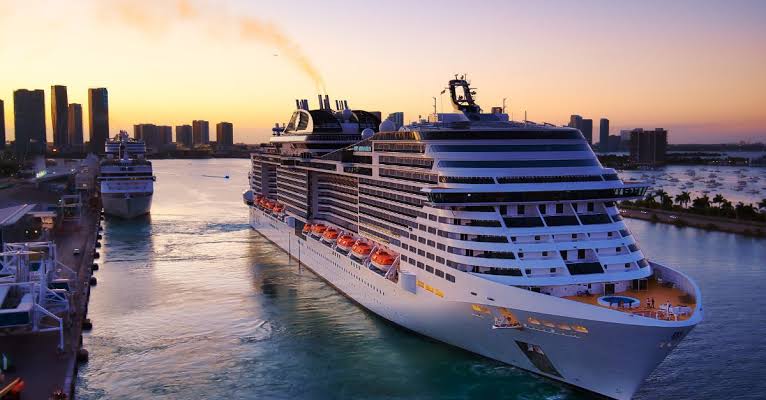
In a landmark move under its Vision 2030 agenda, the Saudi Red Sea Authority (SRSA) has introduced Saudi Arabia’s first regulatory framework for cruise ship operations. This initiative aims to position the Red Sea as a premier international tourism corridor and support the Kingdom’s economic diversification goals. The new framework covers operational, safety, environmental, and passenger service standards — laying the groundwork for a regulated, investor-friendly, and sustainable cruise tourism industry.
Passenger safety sits at the heart of the new regulations. Cruise operators are now mandated to implement emergency response plans, conduct regular safety drills, and ensure continuous crew training. Ships must also carry essential medical equipment, trained personnel, and comply with global safety standards. These steps are designed to guarantee passenger safety both at sea and in coastal areas, aligning Saudi Arabia with international cruise destinations.
The framework also emphasises enhancing tourist experiences. Operators are required to provide high-quality services in transportation, catering, entertainment, and customer care. Cruise lines must establish robust systems for handling itinerary changes, managing complaints, and ensuring passengers are informed throughout their journey. Additionally, ships are obligated to offer passengers access to legal assistance, essential amenities, and clear communication, particularly during disruptions.
Environmental conservation is another key pillar of the regulations. To protect the Red Sea’s delicate ecosystem, cruise ships must enforce strict waste management protocols and a zero-discharge policy. All operations are bound by international marine conventions such as MARPOL and SOLAS, ensuring compliance with global environmental and safety norms. These efforts reflect Saudi Arabia’s commitment to sustainable tourism while safeguarding marine biodiversity and cultural heritage sites.
The regulatory framework also defines clear roles for stakeholders — cruise operators, shipping agents, and port authorities — while simplifying licensing processes to encourage market entry. This streamlined approach is expected to remove bureaucratic hurdles and promote efficient coordination between the government and private sector. With investments pouring into Red Sea port infrastructure and luxury destinations, Saudi Arabia is poised to capture a significant share of the global cruise market, aiming to become a top-tier destination for maritime tourism.