

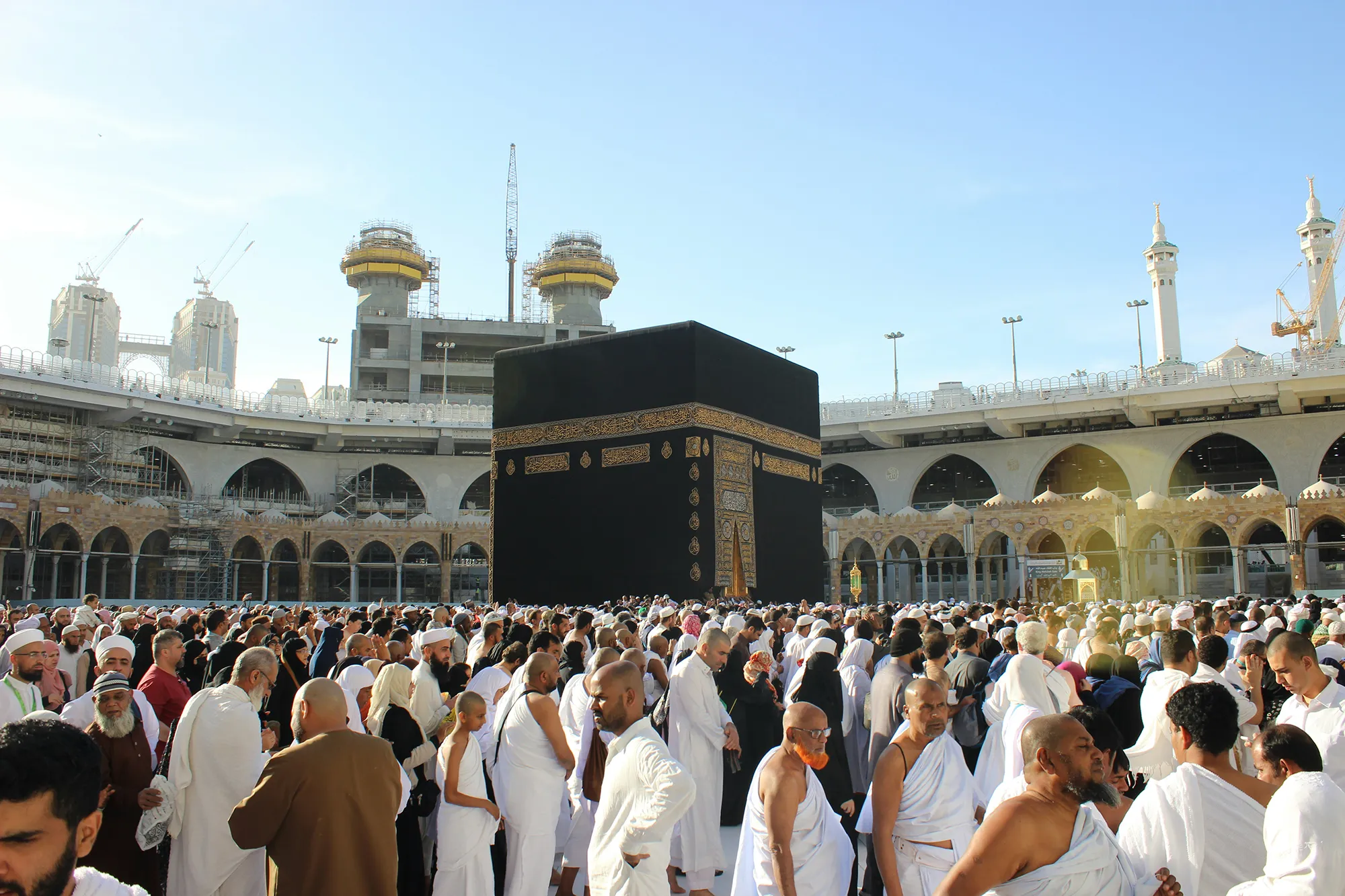
Saudi Arabia welcomed an impressive 15.2 million Umrah pilgrims in the first three months of 2025, marking a strong surge in religious tourism. According to the General Authority for Statistics (GASTAT), Saudi nationals accounted for 24% of the total, while the rest were primarily international visitors and non-Saudi residents within the Kingdom. The majority of foreign pilgrims arrived by air, highlighting the importance of aviation in supporting the pilgrimage sector.
International pilgrim arrivals reached 6.52 million during Q1 2025, reflecting a 10.7% increase compared to the same period in 2024. Air travel dominated these visits, with 82.2% entering through airports. This steady growth underscores the Kingdom’s ongoing efforts to streamline visa procedures and enhance infrastructure to cater to rising global demand for Umrah.
Domestic pilgrims numbered 8.69 million, with 58% being non-Saudis living in Saudi Arabia. This significant expatriate participation illustrates the diverse demographic profile of those engaging in Umrah. Gender distribution data showed that males formed the majority at 60.5%, while females accounted for 39.5% of the pilgrim population.
Monthly patterns revealed distinct trends between domestic and international participants. January emerged as the peak month for overseas visitors, accounting for 36.5% of all international pilgrim arrivals. In contrast, March recorded the highest domestic participation, representing 80.9% of the quarter’s local pilgrim total. These variations reflect the influence of seasonal preferences, work schedules, and religious calendar dates on pilgrimage planning.
Madinah remained a central destination, attracting 6.45 million visitors in the first quarter alone. Of these, 4.41 million were international travellers, highlighting the city’s enduring appeal as both a religious and cultural hub. The high visitor numbers underscore Madinah’s integral role in the overall pilgrimage experience alongside Makkah.
These quarterly statistics, published since 2024, are based on a combination of field surveys and administrative records from the Pilgrim Experience Program and the Ministry of Tourism. Supported by approved statistical models, the data provides valuable insights into evolving religious travel patterns, helping Saudi Arabia strategise future improvements in pilgrimage services and infrastructure.