

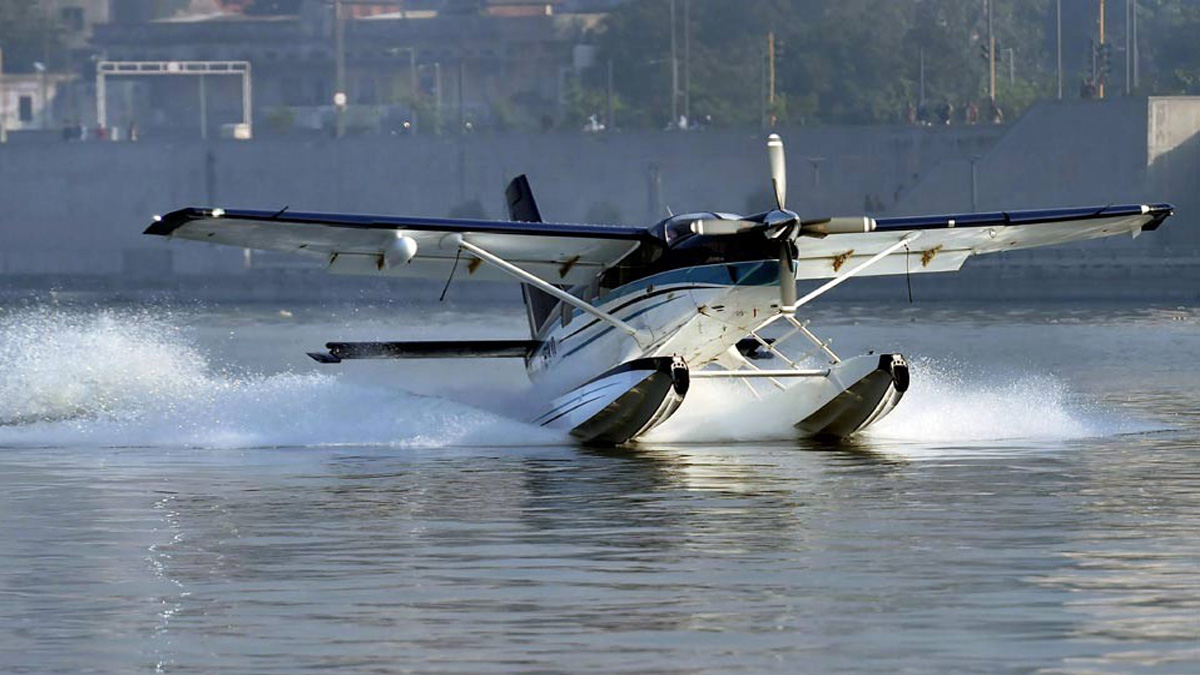
In a bid to rejuvenate its seaplane tourism initiative and boost regional connectivity, the Government of Maharashtra has reignited interest in the long-dormant project through the Maharashtra Tourism Development Corporation (MTDC). This renewed push, anchored in pragmatism and financial viability, aims to connect key tourist destinations and remote regions via air transport over water.
Having floated tenders in April 2025, the MTDC is now inviting domestic and international operators to bid for managing and operating the service. The government body has identified eight strategic routes that it believes can significantly enhance accessibility to hard-to-reach areas, while simultaneously providing a unique travel experience to both domestic and international tourists.
A Second Wind, Backed by Strategy
This isn’t the first time Maharashtra has experimented with seaplanes. Back in 2014, the state launched a similar initiative with private operators. Despite the enthusiasm, the project fizzled out due to limited public uptake, high operating costs, and regulatory hurdles. Learning from that experience, the MTDC has revised its strategy to ensure that the project stands on firmer commercial and operational ground.
“This time, the approach is more pragmatic and future-ready,” a senior MTDC official stated. “We’re focusing on commercially viable routes, leveraging existing infrastructure such as helipads and certified waterbodies, and working in tandem with civil aviation authorities to simplify and speed up the permissions process.”
The eight proposed routes will undergo a detailed feasibility study, to be conducted by the selected operator as a prerequisite for service launch. Depending on the results, the project will deploy 9- to 19-seater seaplanes or amphibious aircraft. To ensure passenger safety and operational efficiency, the aircraft must be no older than 12 years and conform to specified airworthiness criteria.
Financial Sweeteners for Operators
In a significant shift from its earlier model, the MTDC is offering robust financial backing to operators. While the entire upfront investment in aircraft and infrastructure is expected to be borne by the selected party, the MTDC has proposed two key incentives: complete reimbursement of investment over five years, or a revenue guarantee over a three-year period.
This flexibility is designed to make the venture more attractive to private operators, especially those wary of uncertain returns in a relatively new sector of aviation. According to the internal financial feasibility report prepared by MTDC, the total cost of the project is projected at INR 466 crore to INR 490 crore. This estimate includes acquisition of five aircraft, development of six water aerodromes, obtaining regulatory clearances, and operational setup.
Ticket pricing has been estimated at approximately INR 4,000, a figure the MTDC believes strikes the right balance between affordability and profitability. With an anticipated annual ridership of 50,000 to 70,000 passengers, the study forecasts that the project could break even within five to seven years.
Building for the Future – and the Environment
As much as the project is about innovation in mobility and tourism, it is equally being framed within Maharashtra’s larger vision for sustainable tourism. The state is determined to incorporate ecological responsibility right from the planning stage. According to MTDC officials, all environmental safeguards—including impact assessments, coastal zone regulations, and aviation compliance—are being baked into the project framework.
“We’re not just looking at this as a tourism booster,” the MTDC official emphasized. “It’s also a part of our commitment to sustainable development. The idea is to grow tourism in a way that’s sensitive to the environment and beneficial to local economies.”
This aligns with a broader national push to develop water aerodromes and amphibious aircraft services, a concept gaining traction under India’s UDAN (Ude Desh ka Aam Nagrik) regional connectivity scheme. While other states have made piecemeal progress, Maharashtra’s plan is among the more detailed and financially structured offerings in the sector to date.
A Boost for Tourism and Connectivity
At its core, the seaplane project aims to cut down travel time to key destinations like Alibaug, Shirdi, Ganpatipule, and Mahabaleshwar, among others. These tourist hubs are currently accessible primarily by road, often requiring time-consuming journeys. The seaplane service, once operational, is expected to drastically reduce travel times while offering a scenic, memorable experience.
With tenders now open and a more grounded roadmap in place, industry insiders are cautiously optimistic. If executed well, Maharashtra’s seaplane project could set a precedent for regional air mobility in India, marrying innovation with infrastructure and eco-conscious development.
As the state awaits proposals from interested bidders, one thing is clear—the winds of change in Maharashtra’s tourism strategy are taking to the skies—and the seas.