

India’s aviation industry is entering a new period of rapid growth, projected to reach a value of USD 4 billion by 2031. Civil Aviation Minister K. Ram Mohan Naidu highlighted that the sector is expanding faster than ever and is creating strong opportunities for investment, jobs, and innovation. This growth is supported by rising passenger traffic, increasing airline orders, and strong government focus on aviation infrastructure. The Minister explained that India aims to become one of the top aviation hubs in the world through better facilities, modern technology, and improved services.
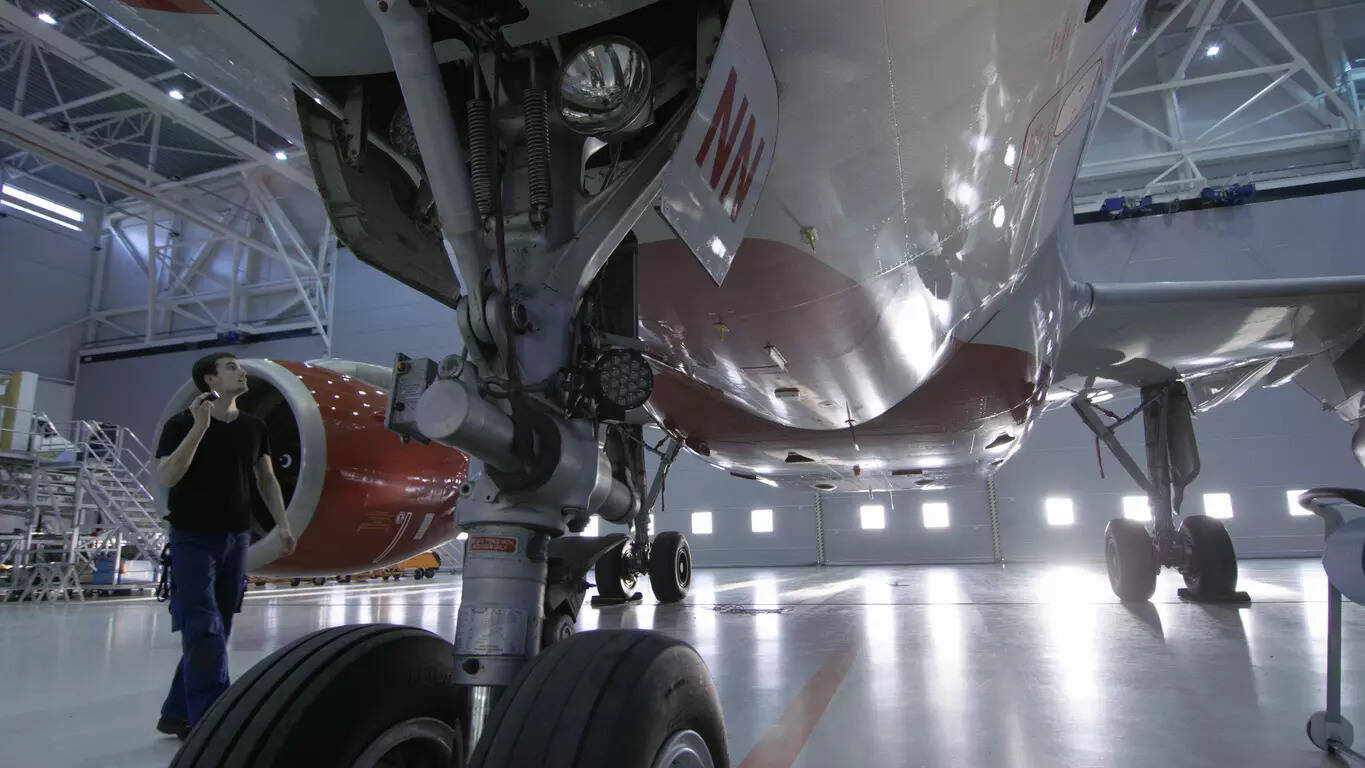
During the inauguration of Safran’s new MRO (Maintenance, Repair and Overhaul) facility in Hyderabad, the Minister stressed how important it is for India to develop its own aircraft servicing capabilities. Having an advanced MRO centre inside the country reduces the need to send aircraft abroad for repairs. This shift will allow India to save up to USD 15 billion in foreign exchange over the coming years. Such savings will strengthen the aviation ecosystem and support long-term growth.
The Safran Aircraft Engine Services India (SAESI) facility will become operational in 2026, marking a major boost for the country’s self-reliance in aviation technology. The centre will be capable of handling complex engine repairs and servicing work, which will improve turnaround times for airlines. The Minister stated that this facility is a clear example of how global companies see India as a strong, dependable location for aviation investments. It will also create skilled jobs and support technical training.
The Minister added that as airlines spend less on overseas repairs, the savings will directly benefit passengers. Lower operational costs mean that airlines can offer more competitive ticket prices and improved services. With more efficient MRO operations, aircraft downtime will reduce, leading to smoother schedules and better reliability for travellers. This is expected to improve the overall flying experience for domestic and international passengers.
India is currently one of the fastest-growing civil aviation markets in the world, with domestic airlines having more than 1,500 aircraft on order. This shows the high level of confidence among airlines in India’s long-term growth. As airports expand, regional connectivity improves, and new technologies are introduced, the aviation network is set to become stronger and more efficient. The government continues to push for better airports, safer operations, and modern navigation systems.
The Minister concluded by saying that India is steadily moving toward becoming a global aviation hub. With the combination of new MRO facilities, expanding fleets, rising passenger demand, and strong government support, India’s aviation sector is on a powerful growth path. The focus is now on building world-class infrastructure, promoting self-reliance, and ensuring that the benefits of this growth reach both airlines and passengers in the coming decade.