

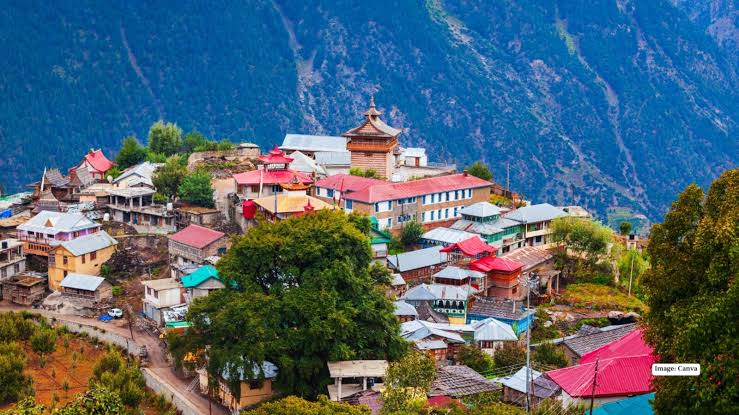
The Himachal Pradesh government has introduced a new eco-tourism policy that will develop 77 sites across forest circles in the state. This policy is designed to generate over Rs 200 crore in revenue within the next five years while creating employment opportunities, boosting the rural economy, and ensuring that natural resources are preserved responsibly.
Chief Minister Thakur Sukhvinder Singh Sukhu emphasised that the objective of this policy is to strike a balance between tourism development and environmental conservation. By encouraging visitors in a controlled and sustainable way, the government aims to safeguard forests, rivers, and wildlife, while ensuring that local communities also benefit economically.
The Eco-Tourism Policy 2024 promotes activities like trekking, bird watching, jungle walks, forest camping, interpretation trails, and homestays. Of the 77 sites, seven locations including Potter Hill, Shoghi, Solang Nallah, and Kasol have already been allocated to eco-tourism operators. The remaining sites will be developed in a phased manner across districts such as Mandi, Bilaspur, Chamba, Dharamshala, and Dalhousie.
The policy also links eco-tourism with biodiversity conservation efforts. Under the Rajiv Gandhi Van Samvardhan Yojna, saplings are being planted across 1,000 to 1,500 hectares of forest land with a INR 20 crore budget. Local community groups including mahila mandals, yuvak mandals, and self-help groups have been engaged to maintain these saplings, helping the state move towards its target of 30 percent forest cover by 2030.
Community participation plays a key role in this initiative. Committees in each forest circle will oversee projects, while more than 70 nature guides and 135 Multi-Purpose Workers have already been trained. Additionally, over 100 forest rest houses and campsites are now bookable online, and 245 trekking trails have been mapped and categorized by difficulty through a new trekking management system.
Tourist arrivals in Himachal Pradesh have already shown a rise, with 2024 recording over two lakh visitors, including 82,000 foreigners—a 13.24 percent increase compared to the previous year. Since tourism already contributes 7.78 percent to the state’s Gross State Domestic Product, officials believe this eco-tourism policy will not only strengthen the economy but also establish Himachal as a model for sustainable tourism growth.