

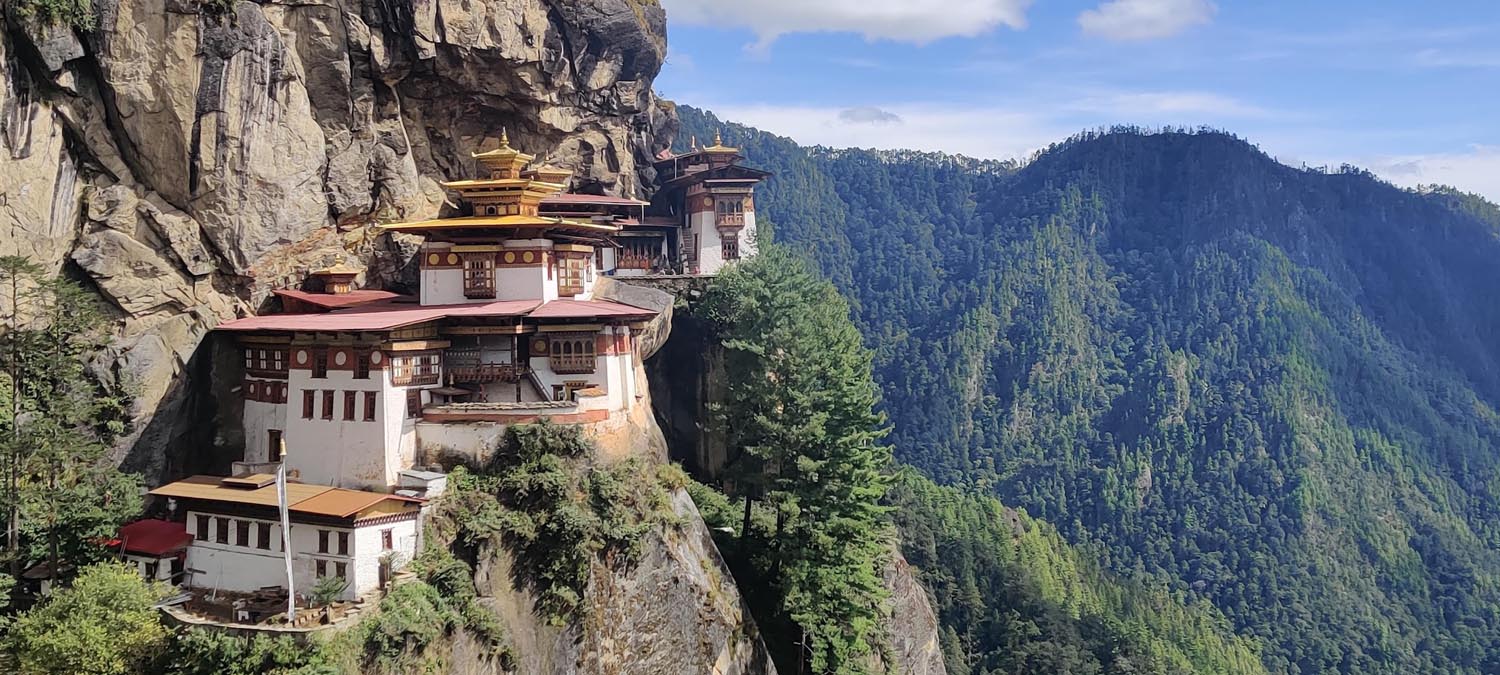
Nestled in the eastern Himalayas, Bhutan continues to captivate the travel trade with its distinct tourism philosophy—“High Value, Low Volume”—and a renewed focus on sustainability-driven growth. As the world shifts toward mindful travel, the Kingdom has re-emerged as a model for balancing tourism development with environmental and cultural preservation. For the B2B segment, Bhutan presents a compelling opportunity—one where authenticity, exclusivity, and purpose converge.
Recalibrating Tourism for a New Era
Post-pandemic, Bhutan has refined its tourism strategy to focus on quality over quantity, ensuring that tourism contributes meaningfully to the nation’s Gross National Happiness (GNH). The revision of the Sustainable Development Fee (SDF) in 2022 marked a major recalibration. While the initial hike in SDF to USD 200 per person per night aimed to control mass inflow and support sustainability, recent adjustments—reducing the fee to USD 100 for international visitors until 2027—reflect a pragmatic approach to attract travellers without compromising Bhutan’s ecological ethos.
For the trade, this signals a renewed openness to partnerships. The Tourism Council of Bhutan (TCB), now the Department of Tourism (DoT), has intensified collaboration with travel agents, destination management companies (DMCs), and airlines to drive growth, particularly in the regional and premium experiential travel segments.
India Remains the Mainstay Market
India continues to be Bhutan’s strongest source market, owing to proximity, cultural affinity, and simplified entry norms. Indian nationals can travel using a valid passport or voter ID, and the SDF for Indian tourists—currently at INR 1,200 per night—makes Bhutan an accessible yet aspirational choice.
Air connectivity has also strengthened the bilateral tourism corridor. Drukair and Bhutan Airlines operate multiple weekly flights from Delhi, Kolkata, Guwahati, and Bagdogra to Paro, while new discussions around linking Bhutan to Mumbai and Bengaluru aim to tap into the expanding affluent leisure segment from metro India.
Beyond air, road connectivity via Phuentsholing, Gelephu, and Samdrup Jongkhar enables cross-border road trips from West Bengal and Assam, creating scope for curated itineraries targeting self-drive and adventure travellers—segments gaining traction among India’s millennial explorers.
Evolving Tourism Products and Experiences
Bhutan’s tourism landscape has evolved beyond monasteries and dzongs to embrace wellness, nature immersion, adventure, and cultural luxury. The country’s pristine environment and deep-rooted spirituality provide fertile ground for travel products that align with the global shift toward slow and sustainable travel.
Luxury and Wellness: International brands such as Six Senses, Aman, and COMO continue to anchor Bhutan’s high-end hospitality segment, offering transformative journeys blending wellness, spirituality, and sustainability.
Boutique and Community-based Lodging: The rise of experiential stays—eco-lodges, family-run inns, and farmstays—has created new opportunities for DMCs and agents to curate tailor-made programs that connect guests to local life.
Adventure and Soft Exploration: Trekking routes like the Trans Bhutan Trail—revived in 2022 after six decades—have become symbolic of the nation’s new tourism direction. The 403-km trail, spanning nine dzongkhags (districts), offers immersive experiences that balance adventure with community empowerment.
 Sustainability at the Core
Bhutan’s environmental credentials are globally acclaimed—it remains the only carbon-negative country in the world, absorbing more carbon than it emits. For the travel trade, this serves as a powerful positioning tool when appealing to conscious travellers. The government mandates that 60% of the country’s land area remain under forest cover, and tourism businesses must adhere to green certification standards.
This sustainability focus resonates with the preferences of next-generation travellers seeking responsible luxury. Operators catering to this segment—particularly from India, Europe, and the U.S.—are collaborating with Bhutanese partners to design itineraries that highlight conservation, local crafts, and cultural immersion.
Trade Dynamics: Opportunities and Partnerships
Bhutan’s tourism policy encourages collaboration with overseas agents and tour operators to boost product diversification and promote longer stays. Indian tour operators can benefit from the ease of access, short-haul convenience, and year-round appeal.
The Department of Tourism has been conducting destination roadshows and joint promotions across major Indian cities such as Delhi, Mumbai, and Kolkata to strengthen B2B engagement. These platforms facilitate networking between Bhutanese DMCs, hoteliers, and Indian agents, enabling new product development and cross-border marketing campaigns.
Emerging themes include luxury wellness retreats, nature-based voluntourism, and spiritual experiences—areas where the trade can innovate while meeting the rising demand for meaningful travel. Incentive travel and small-scale corporate retreats are also gaining traction, supported by Bhutan’s safe environment and boutique infrastructure.
Connectivity and Access: Expanding the Gateway
The Paro International Airport, one of the most scenic yet technically challenging airports in the world, continues to be the main gateway. Drukair’s expansion of its A320neo fleet enhances regional connectivity, while Gelephu Airport, located near the Indian border, is being developed as an international green airport—a move that could redefine southern Bhutan as a sustainable tourism hub.
The government’s Gelephu Mindfulness City Project, announced in 2023, envisions a future-ready, carbon-neutral city promoting mindful living, wellness tourism, and innovation. This project is expected to significantly bolster Bhutan’s tourism infrastructure and attract high-value international visitors.
 Outlook: Conscious Travel as Competitive Edge
Bhutan’s greatest strength lies in its authenticity—a rare attribute in an increasingly commercialised travel world. For the trade, promoting Bhutan means offering clients more than a destination; it’s a narrative of purposeful travel. The Kingdom’s model—where sustainability and profitability coexist—offers valuable lessons for the global tourism fraternity.
As Bhutan continues to fine-tune its tourism policies, the country remains a lucrative niche for travel intermediaries seeking to curate distinctive, sustainable, and emotionally resonant journeys. Whether through high-end wellness circuits, cultural immersions, or cross-border adventure trails, Bhutan is poised to reinforce its identity as Asia’s most conscious travel destination—where every journey uplifts both traveller and community