


IndiGo’s mass flight cancellations have triggered India’s biggest aviation chaos in years, exposing deeper systemic and regulatory weaknesses.
India’s worst aviation disruption in years erupted after IndiGo abruptly cancelled hundreds of flights, stranding thousands of passengers nationwide. While the airline attributed the chaos to a “multitude of unforeseen operational challenges,” industry experts point to a deeper cause- the rollout of India’s revised Flight Duty Time Limitations (FDTL), the new fatigue-management rules for pilots.

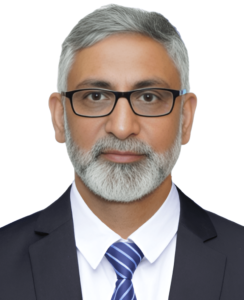


L-R: Ajay Prakash, Shamim Shah, Biji Eapen and Nilesh Bhansali
The revised norms increase weekly rest from 36 to 48 hours, immediately pushing many of IndiGo’s cockpit crew into longer off-duty rotations. With the airline already near full roster capacity and running an expanded winter schedule, it lacked the buffer to absorb these rest demands, triggering a cascade of cancellations. Night landings were reduced from six per week to two, and rosters must now be frozen 15 days in advance, sharply reducing flexibility. Compliance requires 10–20% more pilots or advanced scheduling, which airlines were unprepared for, turning a regulatory adjustment into a nationwide crisis.
IndiGo’s 65% market share makes disruptions highly damaging. When it cancels flights, remaining carriers with only 35% capacity face sudden demand surges, fare spikes, and stranded passengers with few affordable alternatives.
Ajay Prakash, Immediate Past President, TAFI, says that the first lesson is that the aviation industry needs an enabling environment which encourages more airlines and more competition, the current duopoly is not a healthy situation. “The second is that the DGCA and the MoCA need to be more vigilant and proactive; it is inexplicable that the government was totally unaware of the inadequate staffing situation at India’s largest airline,” he points out.
Shamim Shah, Director, Shah Travels Pvt Ltd, says that the IndiGo crisis reveals that India’s aviation system operates too leanly, is overly concentrated, and lacks adequate buffers. “When stricter crew-rest rules came into force, the shortage of surplus pilots and the industry’s heavy dependence on a single dominant airline triggered a nationwide disruption,” Shah points out.
The recent disruptions involving IndiGo Airlines have exposed significant gaps in India’s civil aviation oversight, with direct implications for passenger safety states Biji Eapen, President of IAAI. “Despite government assurances to Parliament and the Delhi High Court regarding adherence to ICAO- and EASA-aligned safety frameworks, inconsistent enforcement of FDTL regulations and the approval of flight schedules—even amid a shortage of more than 500 pilots—permitted large-scale operations without confirmed operational readiness,” Eapen notes.
“This crisis should pave the way for stronger coordination, improved planning, and an industry-wide culture that recognises and supports those who remain clear, committed, and dependable—because they are the ones who uphold the trust of Indian travellers,” says Nilesh Bhansali, President, Travel Agencies Association, Pune.
It has not been a good year for Indian aviation, with a deadly Air India crash in June and now IndiGo grappling with widespread cancellations. To prevent future crises, India should strengthen oversight, expand capacity, and build a more resilient, well-staffed aviation ecosystem prioritising passenger safety.